
Central Region · Heritage
How to get to Cape Coast Castle
UNESCO-listed fort and memorial to the transatlantic slave trade.
Cape Coast town centre
Get directions to Cape Coast Castle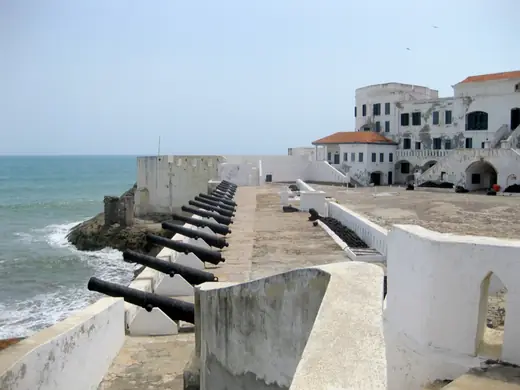
About Cape Coast Castle
Cape Coast Castle began in 1653 as a Swedish timber trading post, then changed hands between Danish, Dutch, and English traders before England seized it for good in 1664 and rebuilt it in stone. For roughly two centuries afterward it operated as one of the largest slave-trading forts on the Gold Coast — its underground dungeons, cut directly into the bedrock, held hundreds of captured Africans at a time before they were marched through the castle's “Door of No Return” onto ships bound across the Atlantic. It's now preserved as a UNESCO World Heritage Site, one of the most visited memorials to the transatlantic slave trade in the world.
Getting there
The castle sits on the seafront in the middle of Cape Coast, about 145 km west of Accra along the coast road (N1). The drive usually takes three to four hours depending on traffic leaving Accra and through Kasoa.
Trotros and STC/VIP buses run from Accra to Cape Coast through the day; from the station it's a short taxi ride to the castle.
For live, turn-by-turn directions from wherever you are — by car, trotro, motorbike, bicycle or on foot — open Cape Coast Castle on the Lincoln Navigation map. It also shows the weather there and any road hazards reported along the way.
Before you go
- Take the guided tour — it's how you see the dungeons and the Door of No Return, and the guides tell the story well.
- Allow at least an hour and a half for the tour and the museum.
- Elmina Castle is about 13 km west, so the two are easy to visit on the same day.